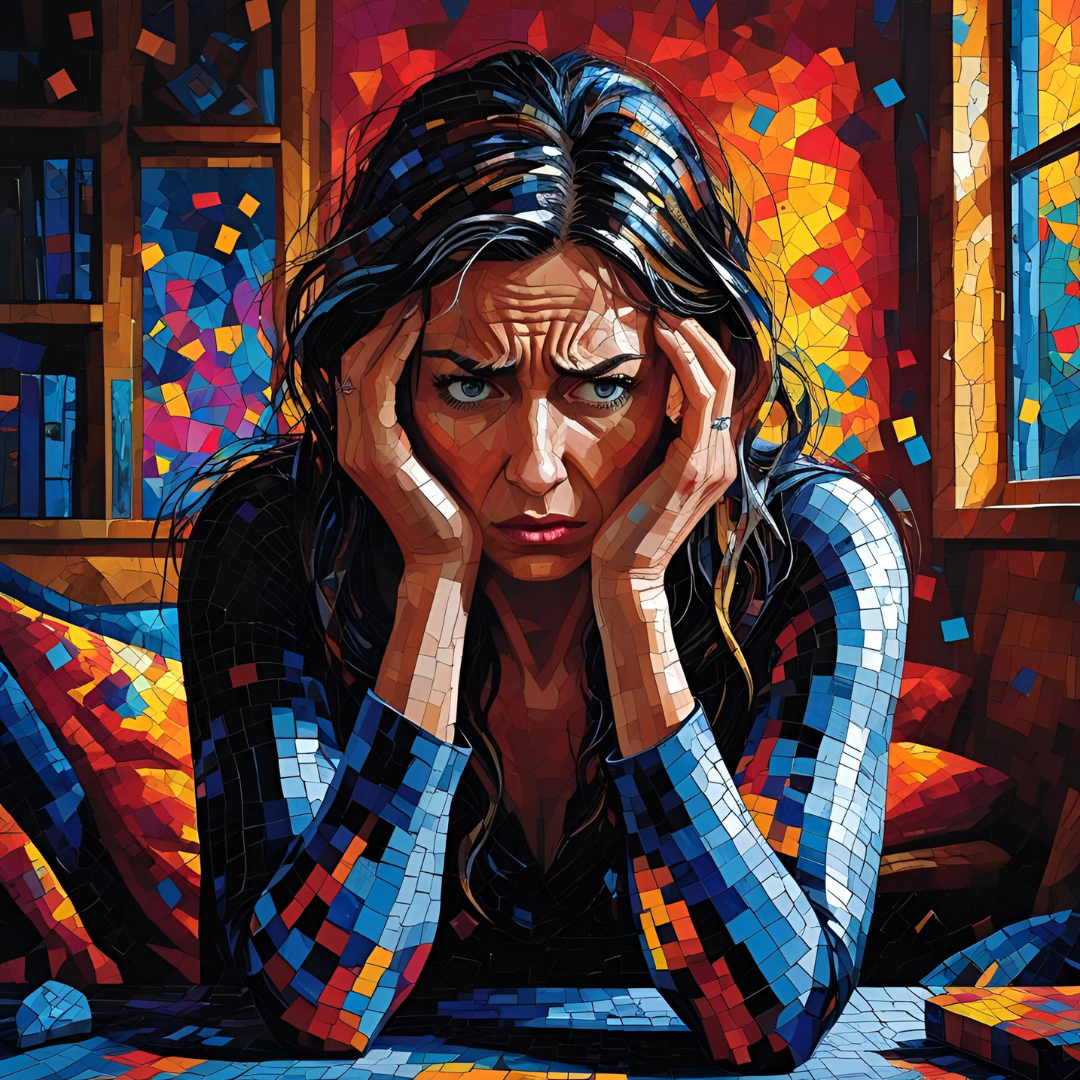
You’re not “too sensitive.” You’re not “overreacting.” And no, Karen, it’s not that you “just need to meditate more.” If you’re a neurodivergent woman navigating the landmine-laced world of emotions, this one’s for you. Especially if you’ve been gaslit by society (or your own frontal lobe) into thinking you’re broken for feeling too much, too fast, or too loudly.
Welcome to Part 1 of our series on emotional regulation in neurodivergent women—specifically those living with ADHD, cPTSD, or a cocktail of both.
Spoiler alert: the system wasn’t built for us. But that doesn’t mean we can’t learn to regulate on our terms.
Let’s Name the Beast: What Is Emotional Dysregulation?
Emotional dysregulation isn’t some academic buzzword—it’s the lived experience of:
-
Crying over spilled milk because it was the last straw after masking for 8 hours straight.
-
Freezing during conflict because your body thinks it’s 1998 and you’re about to get yelled at again.
-
Going from “totally fine” to “burn it all down” in 0.6 seconds.
If your emotional reactions feel big, sudden, or like they belong to someone else, you’re not alone. You’re probably just living in a body that was trained to survive chaos, not calmly file a spreadsheet.
The Triple Whammy: ADHD, cPTSD, and Patriarchy
Most neurodivergent women weren’t diagnosed as kids. We were “chatty,” “emotional,” “lazy,” or “dramatic.” Cue: masking. Suppressing who we are to fit in, fly under the radar, or just not be punished for existing.
And when that doesn’t work? Hello, trauma. Welcome to the ADHD/cPTSD loop:
-
You struggle with executive function.
-
You’re punished or shamed for struggling.
-
You internalize that shame.
-
Your nervous system becomes a battlefield.
This isn’t your fault. It’s structural. Misdiagnosis, gender bias, and the fetishization of “grit” have all conspired to turn emotional regulation into a luxury instead of a human right.
Signs You’re Dealing with Emotional Dysregulation (Not Just “Moodiness”)
Let’s put some meat on the bones. Emotional dysregulation might look like:
-
Overwhelm paralysis when you’re trying to choose between five tasks and end up doing none.
-
Explosive reactions to minor frustrations—then intense shame afterward.
-
Difficulty calming down, even hours after a conflict.
-
Emotional hangovers after social events or unexpected stressors.
-
Burnout that feels like you’re dead inside, not just tired. (Search: ADHD burnout women. You’ll feel seen.)
If any of that made you wince with recognition: hi, you’re home.
So… How the Hell Do You Regulate?
Let’s get practical. You don’t need a “30-day calm girl challenge.” You need tools that work with your nervous system, not against it.
Here are some peer-approved, ADHD/cPTSD-friendly strategies:
Body-First Interventions
-
Cold water on wrists or face: Activates the vagus nerve, which tells your body to chill out.
-
Weighted blankets or compression gear: Tames the internal chaos.
-
Rocking, swinging, pacing, fidgeting: Repetitive motion regulates your sensory system.
Brain Hacks
-
Name the feeling out loud (even if you feel ridiculous): “This is anxiety. It thinks I’m in danger.”
-
Countdown grounding: 5 things you see, 4 you can touch, 3 you hear, 2 you smell, 1 you taste.
-
Body doubling: Have someone you trust sit with you while you do hard stuff. No talking required.
System-Savvy Routines
-
Prep for emotional drop zones: Know that Sunday nights and post-social Mondays might need extra gentleness.
-
Have a meltdown protocol: Safe space, fidget tool, playlist, and a no-judgment buddy.
-
Use alarms with soothing tones: Not everything has to feel like a fire drill.
For the Allies: Don’t Fix Us. Witness Us.
If you’re a partner, friend, coworker, or boss reading this: thank you. You’re already ahead of most. Now here’s what helps:
-
Don’t say “just calm down.” Ever.
-
Validate first, problem-solve second.
-
Know that shame makes regulation harder, not easier.
-
Ask us what our nervous systems need, not what you think is rational.
The TL;DR Pep Talk
Emotional dysregulation isn’t a flaw—it’s your nervous system doing its damn best in a world that didn’t account for your wiring. You are not “too much.” You are not “crazy.” You are not alone.
Regulation is possible—not perfect, not always pretty, but possible. Especially when it’s defined by you, not forced upon you.
Coming Up Next:
Part 2: ADHD Burnout in Women Is Not Just Being Tired—It’s a Full-Body Shutdown
We’ll cover the stages of burnout, how to recover when you can’t take a sabbatical, and what healing actually looks like in a late-stage capitalist hellscape.